


When a residential lease is about to end, many landlords feel stressed and unsure about the next steps. From knowing the tenant’s plans to complying with local regulations, there are several key actions that can make the process smoother and more profitable. In this blog, we break down exactly what every landlord should do before the lease expires, so you can avoid common mistakes and protect your investment.
Moreover, proper preparation not only reduces vacancy risk but also creates a seamless transition, whether your tenant is renewing or moving out. By following clear steps, staying organized, and planning ahead, you can turn lease endings into opportunities to maximize rental income and ensure long-term success. Read on to discover practical tips, actionable advice, and expert guidance tailored for Ontario landlords.

Carefully reviewing the lease, marking deadlines, understanding legal obligations, and checking past communications allows landlords to plan effectively. Early preparation ensures smooth, stress-free lease transitions.
Before taking any action, take the time to carefully read your lease agreement from start to finish. Look for important clauses, such as the exact lease end date, renewal terms, and notice periods. Furthermore, check for rent increase clauses, pet policies, or early termination rules. By understanding these details, you can avoid misunderstandings, prevent legal issues, and prepare for the next steps well in advance. Remember, being proactive saves time and keeps your tenancy running smoothly.
Once you understand the key dates, mark them clearly on your calendar. This includes deadlines for sending lease renewal notices, rent increase letters, or termination notices. Additionally, give yourself extra days as a buffer in case of postal delays or tenant questions. By planning ahead, you show professionalism and give tenants time to respond thoughtfully. Early action also reduces stress for both parties and helps maintain a positive landlord-tenant relationship.
Next, review your legal obligations under the Residential Tenancies Act (RTA) in Ontario. This includes notice periods, limits on rent increases, and requirements for ending a tenancy. Moreover, different situations, like a month-to-month lease versus a fixed-term lease, may have different rules. By knowing the law, you protect yourself from potential fines, disputes, or misunderstandings. Staying informed ensures your decisions are legally compliant and professionally handled.
Finally, review all past communications, including emails, texts, or letters. This helps you track payment history, maintenance requests, and any special agreements made during the tenancy. Moreover, you can identify patterns, such as late payments or repeated issues, which may affect your decision to renew or terminate. Using this information makes your decision objective, fair, and transparent.

Deciding early whether to renew, adjust, or end a lease ensures landlords act strategically. Clear communication, legal compliance, and fairness make transitions smooth and reduce stress.
Start by considering whether your current tenant is reliable and responsible. Have they paid rent on time and maintained the property well? If so, renewing the lease can save time, avoid vacancy periods, and reduce costs associated with finding new tenants. Moreover, keeping a good tenant fosters long-term stability. Even if minor issues existed in the past, consider discussing solutions before deciding not to renew. Renewal can often be the simplest and most beneficial option.
Next, evaluate whether rent adjustments are necessary. Check the current market rates and determine if your property is undervalued. Additionally, think about updating other lease terms, such as pet policies, parking rules, or responsibility for utilities. Clear and reasonable adjustments protect your property and ensure fairness for both landlord and tenant. Transition smoothly by discussing changes openly and documenting all updates in writing.
Sometimes, ending the lease may be the best decision. For example, you may want to renovate, sell, or the tenant may have caused repeated issues. In these cases, ensure you follow legal notice requirements and provide proper documentation. Ending a tenancy professionally prevents disputes, maintains your reputation, and avoids unnecessary legal complications. Proper planning ensures a smooth handover and reduces stress for both you and the tenant.
Finally, once a decision is made, communicate it clearly and professionally. Provide written notice using the proper forms and make sure the tenant understands the next steps. Additionally, answer any questions they may have regarding renewal, rent adjustments, or moving out. Transparent communication strengthens trust, reduces confusion, and ensures a positive relationship, even if the tenancy ends. Always keep copies of notices and records for reference.

Understanding Ontario’s notice rules, using proper forms, timing correctly, and keeping records ensures landlords act legally. This prevents disputes and keeps lease endings smooth and professional.
In Ontario, the Residential Tenancies Act (RTA) clearly sets how much notice a landlord must give. For example, ending a fixed-term lease or giving notice of non-renewal has specific day counts. Moreover, late or incorrect notice can delay your plans or create disputes. Understanding these rules ensures compliance and smooth lease transitions.
It is important to use the official RTA forms for any notice to the tenant. Whether it is for ending tenancy, rent increase, or renewal, proper forms provide clarity and are legally recognized. Additionally, using these forms protects you if disagreements arise and keeps your actions professional and organized.
Besides the type of notice, timing is key. Notices must be delivered within the correct window, for example, 60 days before lease expiry for non-renewal of a fixed-term lease. Furthermore, the method of delivery matters: email, hand delivery, or registered mail may be required depending on circumstances. Timely notice avoids conflicts and keeps everything on track.
Finally, document every notice you send. Include dates, methods of delivery, and copies of the forms. This makes it easier to manage multiple properties and protects you in case of disputes. Clear records also allow for smooth follow-ups and ensure that both you and your tenant understand the timeline.

Early, clear communication and documented discussions with tenants foster trust, reduce misunderstandings, and ensure smooth lease transitions for landlords.
Don’t wait until the last minute to talk with your tenant. Start discussions 2–3 months before lease expiry. This gives tenants time to consider renewal, plan moving, or discuss adjustments. Early communication avoids stress and sets a positive tone for professional interactions.
Whether you want to renew, adjust rent, or end the tenancy, communicate your plans clearly. Use simple language and avoid ambiguity. Additionally, explain timelines, responsibilities, and next steps. Clear communication reduces misunderstandings and ensures tenants know what to expect.
Give tenants the chance to ask questions about renewal, adjustments, or moving. This fosters trust and allows both parties to address concerns early. Moreover, listening to feedback can help you make fair, practical decisions. Open dialogue strengthens relationships and prevents conflicts.
Even if discussions happen in person or by phone, follow up with written confirmation. Emails, letters, or text summaries ensure clarity and create a reference record. Furthermore, documentation protects both parties and provides a clear timeline of agreements and notices.

Reviewing market rent, property condition, economic trends, and local alternatives allows landlords to set fair and competitive pricing. Strategic evaluation maximizes revenue while keeping tenants satisfied.
Start by researching rental prices for similar properties nearby. Use online listings, local classifieds, or real estate reports to see what comparable houses or apartments are charging. Additionally, note seasonal fluctuations, neighborhood demand, and property size. This helps you set a fair and competitive rent that attracts tenants while maximizing your return.
Next, consider the current state of your property. Have you recently renovated or improved it? Features like modern kitchens, updated bathrooms, or energy-efficient systems can justify higher rent. Moreover, noting property strengths and weaknesses helps you decide whether to adjust rent or offer incentives to retain tenants. Proper evaluation ensures accurate pricing.
Additionally, think about broader factors like interest rates, local employment trends, and the housing market. For example, if demand is high, you may safely increase rent. Conversely, in a slow market, keeping rent stable can prevent vacancies. By understanding market conditions, you make informed and strategic decisions about your rental pricing.
Finally, review other properties similar to yours in size, amenities, and location. Compare pricing, lease terms, and tenant perks. This benchmarking ensures your property is attractive, competitive, and realistic in the current market. Doing so reduces turnover risks and helps maintain a steady, satisfied tenant base.
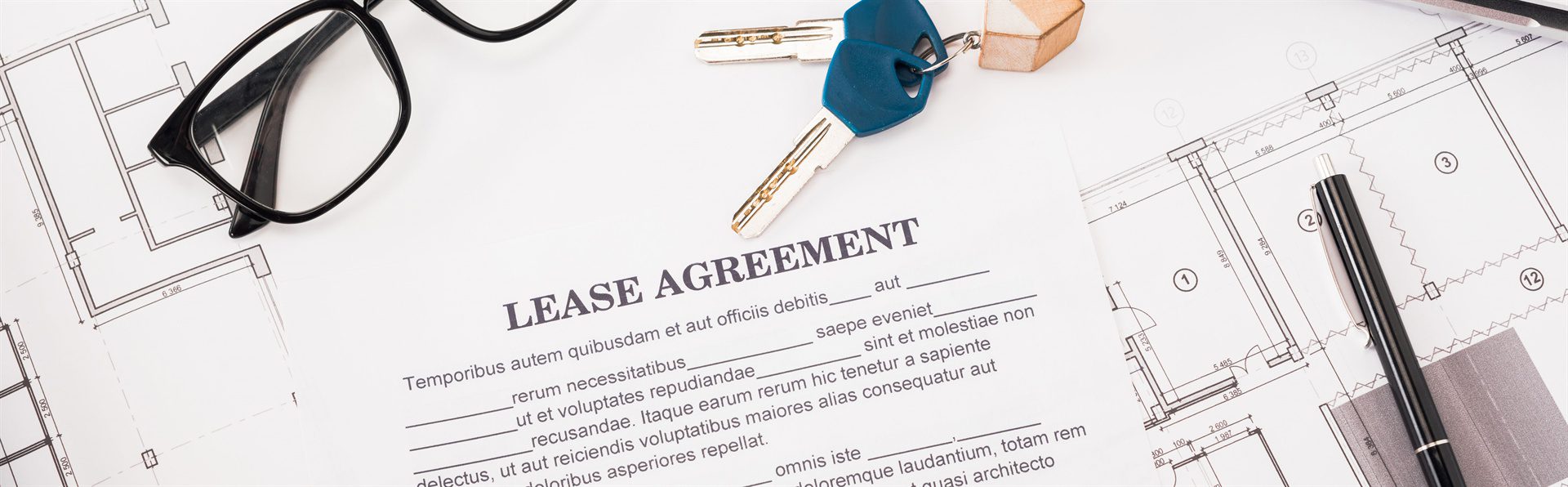
Properly preparing a lease renewal or new agreement, documenting changes, delivering on time, and keeping records ensures clarity, legal compliance, and a smooth landlord-tenant relationship.
Begin by using a legally compliant lease template. Make sure it includes all required terms under the Residential Tenancies Act, such as rent, notice periods, and tenant responsibilities. Moreover, update any clauses reflecting changes to property rules, parking, or utilities. A clear template prevents misunderstandings and ensures smooth enforcement.
Next, document any rent adjustments, maintenance responsibilities, or new policies. For instance, if rent is increased, specify the new amount and effective date. Additionally, include any agreements about pets, storage, or parking. Transparent documentation protects both landlord and tenant while keeping the relationship professional and fair.
After preparing the lease, provide it to the tenant with enough time for review. Consider sending it in writing or electronically and request confirmation of receipt. Furthermore, allow the tenant to ask questions or discuss terms. Timely delivery ensures compliance with notice requirements and helps avoid disputes.
Finally, keep a copy of the signed lease for your records. This includes all addendums, communications, and payment agreements. Organized records make future reference easy in case of disagreements or legal needs. Additionally, maintaining documentation supports professionalism and demonstrates transparency.

Planning turnover proactively ensures smooth transitions, quick re-rental, and maintains property value. Early inspections, cleaning, repairs, and marketing save time and reduce stress for landlords.
If the tenant decides to move out, start planning the turnover process immediately. This includes scheduling cleaning, repairs, and inspections. Moreover, make a checklist for what needs attention, such as repainting walls, fixing leaks, and replacing worn-out items. Early preparation ensures the property is ready for the next tenant quickly.
Arrange a move-out inspection with the tenant to document the condition of the property. This helps identify damages, track deposits, and avoid disputes. Additionally, take photos or videos for your records. Clear documentation protects both you and the tenant while ensuring accountability.
After the inspection, schedule professional cleaning and any required maintenance. This may include carpet cleaning, painting, or minor repairs. By acting promptly, the property becomes attractive to prospective tenants and reduces vacancy periods. Efficiency also demonstrates professionalism and keeps your rental competitive in the market.
Finally, plan your marketing strategy immediately after turnover preparation. List the property online, arrange showings, and highlight its key features. Moreover, ensure photos reflect the clean and well-maintained space. Effective marketing reduces vacancy and helps you find reliable tenants quickly.

Working with a real estate professional helps landlords make informed decisions. They understand local laws, market trends, and tenant behavior. Furthermore, they can advise on lease renewals, rent adjustments, or ending tenancies. Partnering with an expert reduces mistakes and provides peace of mind.
A real estate agent can advertise your property strategically, screen potential tenants, and manage applications efficiently. Moreover, they help select responsible tenants, reducing the risk of late payments or property damage. Their network and experience increase the chance of successful tenancy outcomes.
Being a professional real estate agent, I’m here to guide you through every stage of the leasing process. With a dedication to your success, we make renting smarter, simpler, and more rewarding. Your dream property journey deserves nothing less.
Subscribe to our newsletter to see the latest blogs





My services for the seller include initial consultation, market analysis, free estimate, make pricing strategy, home staging consultation, repairs and improvements consultation, professional photography and videography, detailed property description, customized marketing plan, online listings, social media marketing, design and print flyers and brochures, open houses and private showings, ongoing communication and feedback, continuous market monitoring, offer management, negotiation with buyers, counteroffers and finalization, transaction coordination, closing assistance with thirty-parties, and future real estate needs assistance.
This full suite of services is designed to make the selling experience smooth, rewarding, and successful. By partnering with Adam Cui, you are getting a knowledgeable, resourceful, and committed agent who will prioritize your interests and make sure your goals are met efficiently.
My services for the buyer include initial consultation, needs assessment, property search and selection, early access to listing, personalized tours, detailed market analysis, property transaction history research, property inspection coordination with thirty-parties, review of disclosures with third-parties, negotiation on inspection findings, custom offer preparation, expert negotiation, multiple offer handling, detailed contract explanation, legal and compliance assistance with third-parties, liaison with all parties, document assistance, final visits support, homeownership guidance, and lifetime real estate support.
Through each step, my goal is to minimize stress, streamline your home-buying experience, and deliver outstanding value within my 0.88% commission. Whether you are a first-time buyer or a seasoned investor, you can count on my expertise, dedication, and personalized care to make your real estate journey a success.
No. It only applies to the buying and selling property transactions. For rental services, I will charge half of the one-month rent if I represent one party.
No. HST will be added on top of that.
As a buyer, you typically do not pay my 0.88% commission directly. This commission is generally covered by the seller in a real estate transaction.
As your dedicated real estate agent, my priority is to provide you with the best possible service and value. If a seller offers a commission greater than 0.88% for my services, I would still honor my commitment to you, the buyer, and keep only 0.88% as my commission.
The home buying process involves several steps: getting pre-approved for a mortgage, finding the right property, making an offer, and completing inspections. Afterward, you will finalize the mortgage, sign the paperwork, and get the keys. It is essential to have guidance through each step to ensure a smooth and successful purchase.
When making an offer, it is important to consider the market conditions and the property’s value. Consult with your real estate agent to craft a competitive offer. Include necessary contingencies like financing and inspections. Always be prepared to negotiate. This ensures your offer stands out while protecting your interests.
Finding the right home starts with understanding your needs and budget. I will guide you through the process, showing you options that match your criteria. Together, we will explore neighborhoods, amenities, and property features. My goal is to help you find a home where you can see yourself living happily for years to come.

I will reach you back as soon as possible. If you are in a hurry, please press the button below to give me a call now.