If you are new to the Ontario school system, you may see terms like JK, SK, JK–6, JK–8, K–8, Grade 1, and Grade 6 and wonder what they actually mean. Do not worry – once you understand the basic structure, it is quite simple.
In Ontario, JK means Junior Kindergarten, while SK means Senior Kindergarten. Together, JK and SK make up the Kindergarten program before children move into Grade 1.
Kindergarten is an important first step in a child’s education. It helps children develop early academic, social, communication, and independence skills while getting used to a school environment.
JK stands for Junior Kindergarten. It is generally the first year of Ontario’s Kindergarten program.
Children typically enter JK around age 4. However, the exact eligibility date is based on the child’s birth year and the Ontario school calendar.
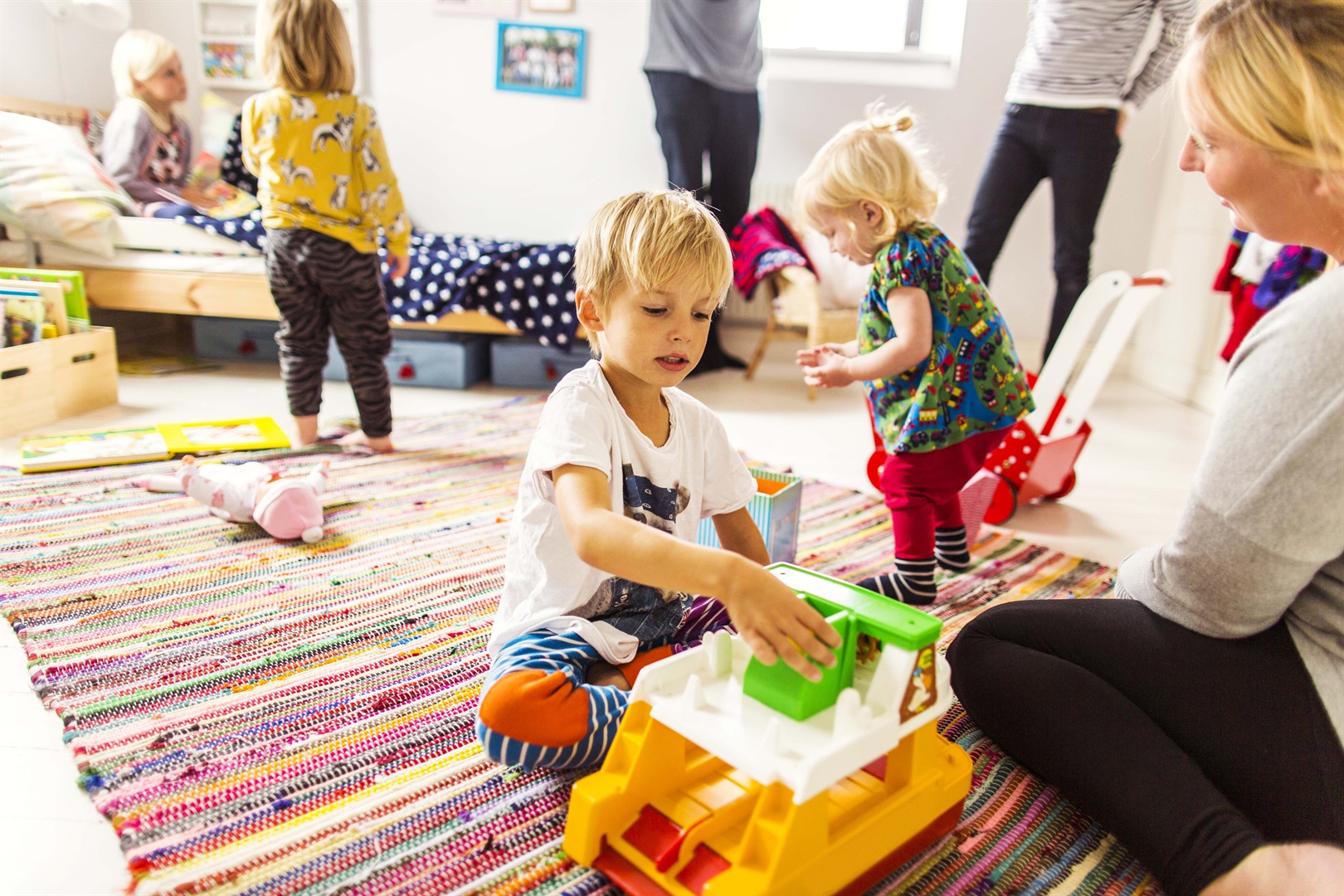
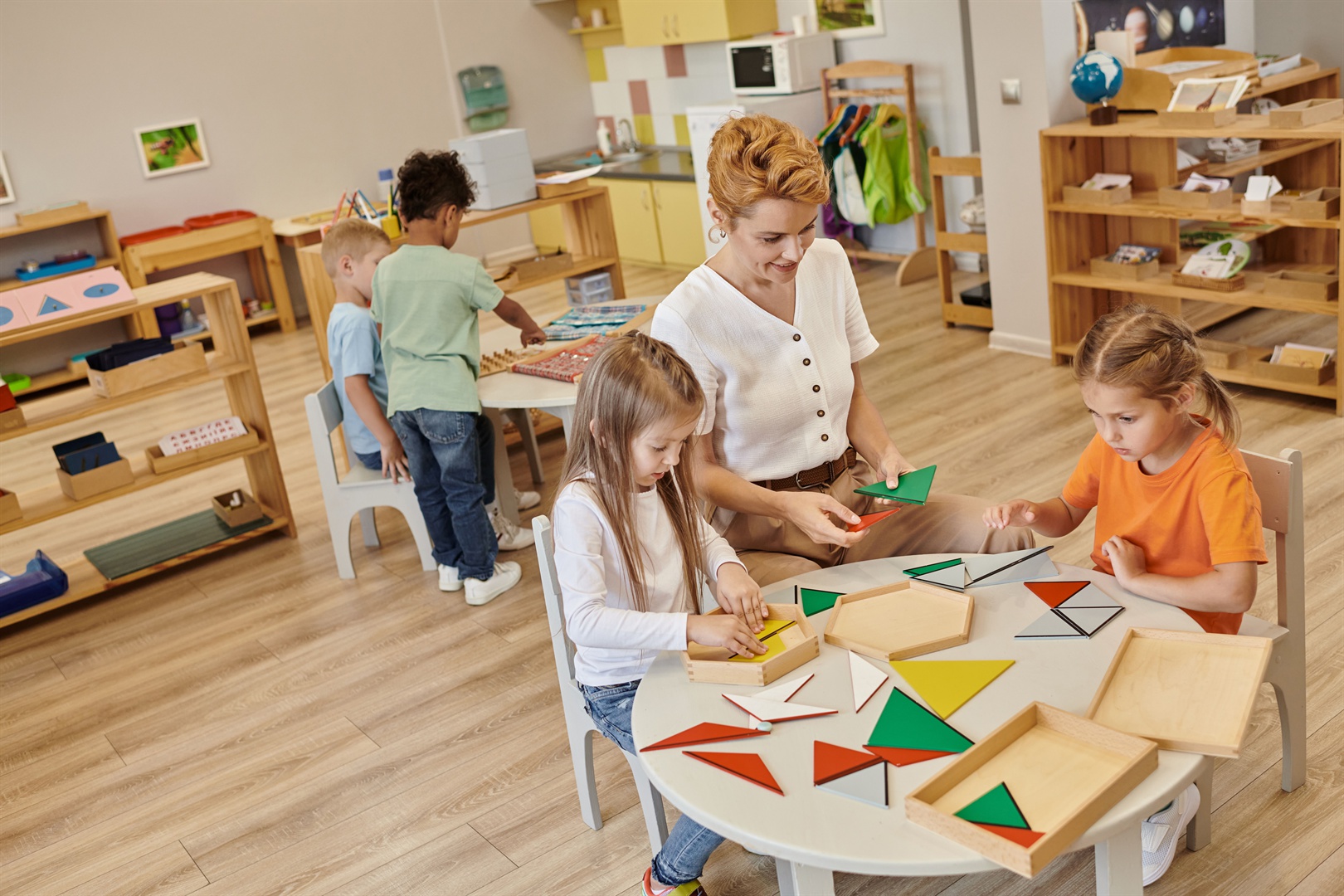
JK is not simply “preschool.” Children participate in a school-based learning program where they develop skills through play, exploration, classroom activities, communication, and interaction with teachers and other children.
For many children, JK is their first experience spending a significant part of the day in a formal school environment. They learn how to follow classroom routines, make friends, communicate their needs, share, cooperate, and become more independent.
SK stands for Senior Kindergarten. It is the second year of the Kindergarten program.
Children typically enter SK around age 5. Since they have already experienced JK, many SK students are more familiar with school routines and classroom expectations.
During SK, children continue developing early literacy, numeracy, communication, problem-solving, social, and self-regulation skills. The goal is to help children become increasingly confident and prepared for Grade 1.
Simply put:
JK → SK → Grade 1 → Grade 2 → Grade 3 → Grade 4 → Grade 5 → Grade 6…
The easiest way to remember the difference is:
JK = first year of Kindergarten
SK = second year of Kindergarten
The biggest difference is usually the child’s age and stage of development, rather than simply the academic level.
A JK student may be learning how to become comfortable in a classroom, while an SK student is generally building on the skills and routines developed during JK.
Of course, every child develops differently. Some children may be very independent in JK, while others may need more time to adjust. That is completely normal.
This is another term that sometimes confuses parents.
When a school is described as a JK–6 school, it generally means the school offers:
Junior Kindergarten, Senior Kindergarten, Grade 1, Grade 2, Grade 3, Grade 4, Grade 5, and Grade 6.
So, a child could potentially attend the same school from JK through Grade 6.
After Grade 6, students may move to another school for Grade 7 and Grade 8, depending on the local school board and school structure.
A JK–8 school offers a longer elementary-school range.
It generally includes:
JK → SK → Grades 1–8
This means children can potentially stay at the same school from their first year of Kindergarten all the way through Grade 8.
After Grade 8, students generally move on to high school, beginning in Grade 9.
For some families, a JK–8 school can be convenient because children may not need to change schools after Grade 6.
You may also see K–8.
In some education systems, “K” means Kindergarten. However, in Ontario, it is important to check what the specific school means because Ontario commonly distinguishes between JK and SK.
A school described as K–8 may use “K” as a general term for Kindergarten, but the exact program offered can vary.
Therefore, when comparing schools, do not rely only on the grade-range abbreviation. Check the school’s official information to confirm whether it offers JK, SK, or both.
After completing SK, children normally move into Grade 1.
The elementary-school years then continue through Grades 1 to 8, depending on the school.
A simple overview is:
JK: First Kindergarten year
SK: Second Kindergarten year
Grade 1: First elementary grade after Kindergarten
Grades 2–6: Elementary school years
Grades 7–8: Intermediate/junior-level elementary years in many school structures
Grade 9: High school begins in the typical Ontario pathway
However, the exact school organization can differ between school boards and individual schools.
Parents may wonder why one elementary school is JK–6, while another is JK–8.
This is usually related to how the local school board organizes schools and grades in that community.
For example, one neighbourhood may have a JK–6 elementary school and a separate school serving Grades 7–8. Another neighbourhood may have one JK–8 school.
This does not automatically mean one school is better than the other. It simply means the schools have different grade structures.
Yes. One of the important purposes of Kindergarten is to help children develop the skills they need for their next stage of learning.
Children gradually develop early reading and writing skills, number awareness, communication, problem-solving, social skills, independence, and classroom routines.
However, parents should not feel that their child needs to be “ahead” academically before starting Grade 1. Children develop at different speeds, and Kindergarten is designed to support development across many areas.
Ontario offers a full-day Kindergarten program, combining JK and SK as a two-year program.
The Kindergarten experience is designed to support the whole child – not just academic learning.
Children learn through a combination of classroom activities, exploration, play, communication, movement, and social interaction.
For parents, this means Kindergarten is not simply about learning letters and numbers. It is also about helping children become comfortable, confident, curious, and independent learners.
If you are choosing a school for your child, the grade range is only one thing to consider.
You may also want to look at:
Most importantly, check the specific school board and school because school boundaries, grade ranges, programs, and admission rules can vary.
If you want the simplest explanation, remember this:
JK = first year of Kindergarten
SK = second year of Kindergarten
JK–6 = Kindergarten through Grade 6
JK–8 = Kindergarten through Grade 8
After SK = Grade 1
After Grade 8 = Grade 9 / high school
Once you understand these basic terms, Ontario school information becomes much easier to read and compare.
Choosing the right school can feel overwhelming, especially if your child is entering the Ontario education system for the first time. However, understanding terms such as JK, SK, Kindergarten, JK–6, JK–8, elementary school, and Grade 1 makes the process much easier.
The most important thing is to look beyond the abbreviation. Check the specific school’s grades, programs, boundaries, registration information, and available services.
And remember: every child is different. The best school choice is not necessarily the school with the longest grade range—it is the school and learning environment that best fits your child’s needs and your family’s situation.
Subscribe to our newsletter to see the latest blogs
My services for the seller include initial consultation, market analysis, free estimate, make pricing strategy, home staging consultation, repairs and improvements consultation, professional photography and videography, detailed property description, customized marketing plan, online listings, social media marketing, design and print flyers and brochures, open houses and private showings, ongoing communication and feedback, continuous market monitoring, offer management, negotiation with buyers, counteroffers and finalization, transaction coordination, closing assistance with thirty-parties, and future real estate needs assistance.
This full suite of services is designed to make the selling experience smooth, rewarding, and successful. By partnering with Adam Cui, you are getting a knowledgeable, resourceful, and committed agent who will prioritize your interests and make sure your goals are met efficiently.
My services for the buyer include initial consultation, needs assessment, property search and selection, early access to listing, personalized tours, detailed market analysis, property transaction history research, property inspection coordination with thirty-parties, review of disclosures with third-parties, negotiation on inspection findings, custom offer preparation, expert negotiation, multiple offer handling, detailed contract explanation, legal and compliance assistance with third-parties, liaison with all parties, document assistance, final visits support, homeownership guidance, and lifetime real estate support.
Through each step, my goal is to minimize stress, streamline your home-buying experience, and deliver outstanding value within my 0.88% commission. Whether you are a first-time buyer or a seasoned investor, you can count on my expertise, dedication, and personalized care to make your real estate journey a success.
No. It only applies to the buying and selling property transactions. For rental services, I will charge half of the one-month rent if I represent one party.

No. HST will be added on top of that.
As a buyer, you typically do not pay my 0.88% commission directly. This commission is generally covered by the seller in a real estate transaction.
As your dedicated real estate agent, my priority is to provide you with the best possible service and value. If a seller offers a commission greater than 0.88% for my services, I would still honor my commitment to you, the buyer, and keep only 0.88% as my commission.
The home buying process involves several steps: getting pre-approved for a mortgage, finding the right property, making an offer, and completing inspections. Afterward, you will finalize the mortgage, sign the paperwork, and get the keys. It is essential to have guidance through each step to ensure a smooth and successful purchase.
When making an offer, it is important to consider the market conditions and the property’s value. Consult with your real estate agent to craft a competitive offer. Include necessary contingencies like financing and inspections. Always be prepared to negotiate. This ensures your offer stands out while protecting your interests.
Finding the right home starts with understanding your needs and budget. I will guide you through the process, showing you options that match your criteria. Together, we will explore neighborhoods, amenities, and property features. My goal is to help you find a home where you can see yourself living happily for years to come.
I will reach you back as soon as possible. If you are in a hurry, please press the button below to give me a call now.