


Looking for the perfect office for your film or media studio in Toronto? This comprehensive guide walks you through everything you need to know, from understanding your studio’s unique needs to analyzing the latest market trends. Learn which locations offer the best opportunities, how rental costs compare, and what zoning rules you must check before signing a lease.
We also cover essential lease terms, accessibility tips, and practical advice to make your final location decision with confidence. Whether you are starting a new studio or relocating an existing one, this guide gives you the tools to save time, reduce risk, and find a space that truly supports your creative and business goals.

Before choosing any office, a film and media studio must fully understand its real needs. Unlike a normal office, studios require flexible layouts, strong power supply, sound control, and stable internet. Therefore, clear planning at the start helps save money and avoid problems later.
First of all, a film and media studio does not work like a typical office. Most studios need open areas for filming and setup. These spaces must allow free movement for cameras and lights. In addition, editing teams need quiet rooms for focus. Therefore, fixed cubicles usually do not work well. Flexible and open layouts create better workflow. This also improves efficiency and creativity.
Next, power and internet are critical. Studios use heavy equipment every day. Lighting systems, computers, and servers all need stable electricity. If the power is weak, production may stop. At the same time, fast internet is required for file transfers and cloud storage. Therefore, buildings with upgraded electrical systems are preferred. Reliable infrastructure supports smooth daily operations.
At the same time, sound quality should never be ignored. Traffic noise, elevators, or nearby offices can disrupt recording. Even small sounds can affect video quality. Therefore, thick walls and solid concrete buildings are better choices. Corner units also reduce shared walls. In addition, distance from busy streets helps a lot. Good sound control saves time in post-production.
Finally, planning for growth is very important. Many studios start small but expand quickly. New staff and new equipment need more space. Therefore, choosing a unit with expansion options is smart. Shorter lease terms also reduce long-term risk. As a result, flexibility gives studios more control and confidence for the future.

Toronto’s office market continues to adjust after major changes in work habits. Vacancy rates remain high in many areas. Therefore, tenants now have more choices and stronger negotiation power. As a result, creative businesses can secure better rents and more flexible terms.
First, office vacancy rates across Toronto are still above historical levels. Many companies reduced space due to remote work. Because of this, landlords face more competition. Therefore, they are more willing to negotiate. Tenants can often ask for lower base rent. In addition, free rent periods are more common. This creates strong savings over time.
Next, landlords are more open to creative and non-traditional users. Film and media studios bring stable income and long leases. As a result, many landlords welcome them. Some are willing to allow special uses not common before. Therefore, studios now have more options than in past years. This flexibility is a major advantage.
Meanwhile, Class B office buildings offer strong value. These buildings usually have lower rents. They also offer larger floor plates. For studios, this is ideal. In many cases, landlords are willing to upgrade power or HVAC systems. Therefore, studios can customize space without paying premium rent. This improves return on investment.
Finally, market timing plays a big role. Right now, tenants have the upper hand. Locking in favorable terms today can reduce costs for years. Therefore, studios should act while conditions remain favorable. Delaying decisions may reduce negotiation power later. Smart timing leads to long-term stability.

Choosing the right location helps balance space, cost, and convenience. Some Toronto areas are known for creative industries and offer flexible spaces. Others provide value and easy access. Understanding the strengths of each area makes it easier to match your film or media studio to a space that supports daily workflow and long-term growth.
First, Liberty Village has become a hub for creative and tech firms. Many small agencies and studios already work here. Buildings often have open layouts and industrial character. Moreover, transit options and cafes nearby make it a friendly place to work. As a result, many creative teams feel at home here.
Next, neighborhoods like Leslieville, Riverside, and East York provide cost savings. In these areas, rents are lower than downtown but spaces are larger. Many studios need room for sets, equipment, and storage. Therefore, the east side becomes smart for teams that want space and community without high costs.
Meanwhile, downtown remains a strong location for studios that meet clients often. Transit access is excellent. There are many services nearby. However, rents tend to be high. Parking is also limited. So, downtown works best when branding and client visibility matter more than space size.
Finally, North York and Etobicoke provide space and ease of transport. Many buildings have larger units, easy truck access, and parking. For studios with heavy gear or frequent shooting days, these logistical advantages matter. In addition, rents are often lower than downtown.

Toronto office rents vary widely depending on location, building type, and amenities. Downtown usually costs the most. Mid-town and west-end areas balance price and convenience. Outer locations like North York and Scarborough offer larger spaces with lower cost. Comparing total occupancy cost helps studios pick the best site for budget and needs.
First, downtown Toronto usually carries the highest rent per square foot. Premium buildings and central businesses push prices up. While this area offers convenience and transit access, the cost becomes heavy for larger spaces. Studios that need wide open areas often find downtown costs challenging.
Next, areas like Yonge & Eglinton, King West, and Queen West provide a balance of price and access. Rents here are lower than core downtown but still offer good transit. This makes them attractive for studios that want easy client access without paying the highest fees.
Meanwhile, North York, Etobicoke, and Scarborough usually offer lower base rents. These areas also provide more space for your money. This is helpful for film studios that need room for sets, equipment, and multiple teams. While transit may be slower, driving and parking are easier.
Finally, base rent is only part of the cost. Total occupancy cost includes taxes, maintenance, utilities, and parking. Often, buildings with low base rent have higher operating charges. So, comparing full monthly costs gives a clearer picture. This stops surprises after move-in.

Before signing any lease, zoning and permitted use must be confirmed. Film and media studios are not standard office users. Therefore, zoning rules, building bylaws, and landlord approvals all matter. Checking these items early helps avoid legal issues, delays, and costly lease disputes later.
First of all, zoning laws control how a space can be used. Not every office zone allows filming or media production. Some areas only allow basic office work. Therefore, you must confirm zoning with the city. This step avoids future compliance issues. It also protects your business from forced shutdowns.
Next, the lease’s permitted use clause is critical. Some leases say “office use only.” That wording may not cover filming, sound recording, or editing. Therefore, the clause should clearly include media production. Otherwise, landlords may later object. Clear wording protects your operations and your investment.
At the same time, building management rules matter. Even if zoning allows studio use, the building may restrict noise, equipment, or after-hours access. Therefore, you must review building bylaws carefully. Asking questions early prevents conflicts later. Transparency builds a better landlord-tenant relationship.
Finally, some studio activities need permits. Exterior filming, signage, or equipment loading may require city approval. Therefore, planning ahead is smart. Knowing permit requirements avoids delays. It also helps set realistic timelines. Preparation reduces stress and improves efficiency.
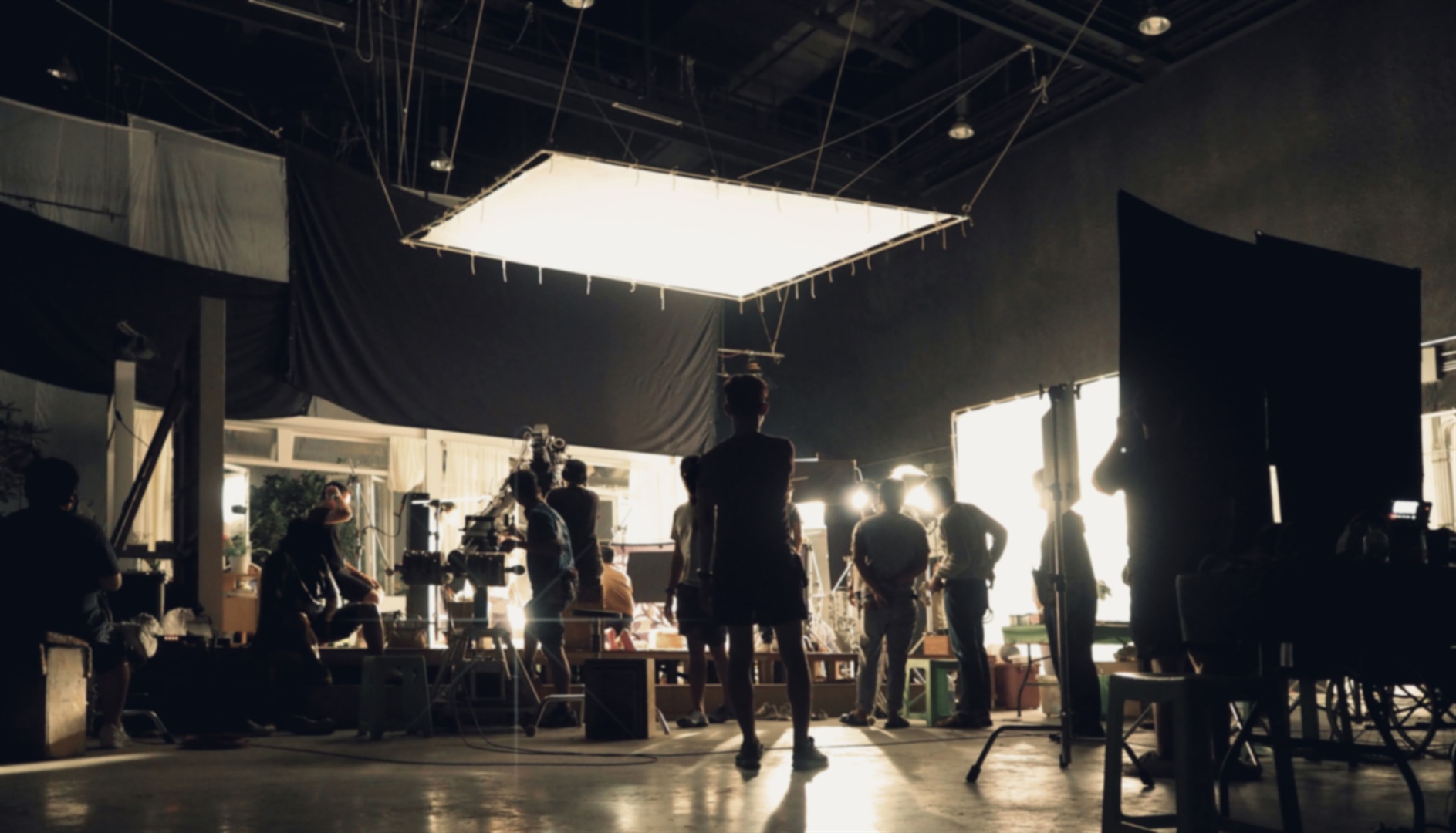
Beyond rent and location, accessibility and logistics strongly affect daily studio operations. Film work involves people, gear, and tight schedules. Therefore, parking, transit, loading access, and building layout all matter. Choosing a well-connected location saves time, reduces costs, and improves productivity.
First, public transit access is essential. Many crew members rely on TTC or GO Transit. Therefore, offices near subway stations are preferred. This reduces late arrivals and stress. In addition, good transit access helps attract talent. Convenience improves team morale and reliability.
Next, parking plays a big role. Studios often move heavy equipment. Without parking, loading becomes difficult. Therefore, on-site or nearby parking is very helpful. Short-term parking zones also matter. Easy parking reduces setup time. It also lowers daily operational friction.
At the same time, loading docks and freight elevators are important. Carrying equipment through small elevators wastes time. Therefore, buildings with proper loading access are ideal. This improves safety and efficiency. Smooth logistics keep production schedules on track.
Finally, the surrounding area matters more than expected. Wide streets allow easier vehicle access. Nearby services save time. Quiet streets reduce sound issues. Therefore, logistics extend beyond the building itself. A practical neighborhood supports long-term success.

Lease terms can greatly affect a film and media studio’s success. Unlike normal offices, studios need flexibility, clear permissions, and protection from sudden cost increases. Therefore, understanding key lease clauses helps avoid future risks. As a result, smart lease planning saves money and supports long-term growth.
First, lease length is very important. New studios often need flexibility. Long leases may feel risky at the start. Therefore, shorter terms or early termination options are helpful. Meanwhile, established studios may prefer longer leases for stability. As a result, choosing the right term supports both cash flow and growth plans.
Next, always review the permitted use clause. Some leases only allow general office use. However, filming, recording, or editing may not be included. Therefore, landlords must clearly approve studio use in writing. Otherwise, problems may arise later. Clear wording protects your business and avoids legal disputes.
At the same time, pay attention to rent increases. Annual escalations can add up fast. Therefore, fixed increases are better than percentage-based ones. Also, review operating costs carefully. Unexpected charges can affect budgets. As a result, clear limits on extra costs help control long-term expenses.
Finally, think about improvements and exit terms. Studios often invest in soundproofing or wiring. Therefore, the lease should address who pays and what happens at the end. In addition, clear exit rules reduce risk if plans change. Good planning now prevents losses later.

Choosing a studio location is both a business and creative decision. Many factors must align, including cost, access, and future growth. Therefore, a clear process helps reduce stress. With the right checks and expert support, studios can move forward with confidence and clarity.
First, compare locations based on real needs. Rent is important, but it is not everything. Consider space layout, noise levels, and power supply. Also, review internet quality and access. Therefore, using a checklist helps keep decisions objective. Clear priorities lead to better outcomes.
Next, always visit the space in person. Photos can hide problems. Test noise levels at different times. Check loading access and elevators. Also, talk to neighbors if possible. Therefore, on-site visits reduce surprises. Seeing the space in real conditions builds confidence.
At the same time, think beyond today. A cheap space may limit growth. A slightly higher rent may offer better flexibility. Therefore, balance cost with long-term potential. Planning ahead avoids early relocation. As a result, stability supports creative focus and team growth.
Finally, professional guidance makes a big difference. An experienced commercial agent understands zoning, leases, and negotiation. Therefore, expert support saves time and money. With the right advice, studios avoid common mistakes. Confidence comes from informed decisions, not guesswork.
In conclusion, finding the perfect office space for your film and media studio in Toronto requires careful planning, research, and strategic decision-making. First and foremost, understanding the unique needs of your studio—such as ceiling height, soundproofing, layout flexibility, and equipment requirements—will help you filter out unsuitable options and focus on spaces that truly support your operations. Additionally, considering the broader office market trends in Toronto, including rental rates, supply, and demand across different districts, allows you to make informed choices that align with both your budget and long-term business goals.
When making your decision, it is vital to weigh both the financial and operational aspects together. Comparing total occupancy costs—including rent, utilities, and additional fees—against your functional needs will help you select the most suitable property. Working with an experienced commercial real estate agent can save you time, money, and potential pitfalls.
Being a professional real estate agent, I’m here to guide you through every stage of the leasing process. With a dedication to your success, we make renting smarter, simpler, and more rewarding. Your dream property journey deserves nothing less.
Subscribe to our newsletter to see the latest blogs





My services for the seller include initial consultation, market analysis, free estimate, make pricing strategy, home staging consultation, repairs and improvements consultation, professional photography and videography, detailed property description, customized marketing plan, online listings, social media marketing, design and print flyers and brochures, open houses and private showings, ongoing communication and feedback, continuous market monitoring, offer management, negotiation with buyers, counteroffers and finalization, transaction coordination, closing assistance with thirty-parties, and future real estate needs assistance.
This full suite of services is designed to make the selling experience smooth, rewarding, and successful. By partnering with Adam Cui, you are getting a knowledgeable, resourceful, and committed agent who will prioritize your interests and make sure your goals are met efficiently.
My services for the buyer include initial consultation, needs assessment, property search and selection, early access to listing, personalized tours, detailed market analysis, property transaction history research, property inspection coordination with thirty-parties, review of disclosures with third-parties, negotiation on inspection findings, custom offer preparation, expert negotiation, multiple offer handling, detailed contract explanation, legal and compliance assistance with third-parties, liaison with all parties, document assistance, final visits support, homeownership guidance, and lifetime real estate support.
Through each step, my goal is to minimize stress, streamline your home-buying experience, and deliver outstanding value within my 0.88% commission. Whether you are a first-time buyer or a seasoned investor, you can count on my expertise, dedication, and personalized care to make your real estate journey a success.
No. It only applies to the buying and selling property transactions. For rental services, I will charge half of the one-month rent if I represent one party.
No. HST will be added on top of that.
As a buyer, you typically do not pay my 0.88% commission directly. This commission is generally covered by the seller in a real estate transaction.
As your dedicated real estate agent, my priority is to provide you with the best possible service and value. If a seller offers a commission greater than 0.88% for my services, I would still honor my commitment to you, the buyer, and keep only 0.88% as my commission.
The home buying process involves several steps: getting pre-approved for a mortgage, finding the right property, making an offer, and completing inspections. Afterward, you will finalize the mortgage, sign the paperwork, and get the keys. It is essential to have guidance through each step to ensure a smooth and successful purchase.
When making an offer, it is important to consider the market conditions and the property’s value. Consult with your real estate agent to craft a competitive offer. Include necessary contingencies like financing and inspections. Always be prepared to negotiate. This ensures your offer stands out while protecting your interests.
Finding the right home starts with understanding your needs and budget. I will guide you through the process, showing you options that match your criteria. Together, we will explore neighborhoods, amenities, and property features. My goal is to help you find a home where you can see yourself living happily for years to come.

I will reach you back as soon as possible. If you are in a hurry, please press the button below to give me a call now.